


Last Updated: October 22, 2026
Quick Summary
Choosing wedding florists in Brampton in Ontario requires identifying your floral priorities, asking the right questions during consultations, and evaluating florists on criteria that matter beyond price and portfolio aesthetics. Start your search 4-6 months before your wedding to compare options, book your preferred date, and allow the florist to source seasonal flowers without rushing.
- Brampton Florist offers same-day delivery for orders placed by 1 PM and handles full-service wedding design from ceremonies to receptions.
- Provide florists with complete details including wedding date, venue, guest count, and specific arrangement types to receive accurate itemized quotes.
- Seasonal flowers cost less and look fresher; spring offers tulips and ranunculus, summer provides peonies and hydrangeas, fall features dahlias and chrysanthemums, and winter requires imported options.
- Ask florists about their design process, backup plans for damaged flowers, and whether they personally handle your wedding or assign another team member.
- Allocate your floral budget as 30-35% bridal bouquet, 35-40% centerpieces, 15-20% ceremony flowers, and 10-15% bridal party arrangements.
Table of Contents
- How to Choose Wedding Florists in Brampton: What Matters Most
- Top Wedding Florist Options in Brampton and Nearby Areas
- Wedding Florist Consultation Checklist: What to Prepare
- Questions to Ask a Wedding Florist Before Booking
- Wedding Flower Budget and Quote: Understanding Costs
- Seasonal Wedding Flowers in Ontario: Availability and Design
- Evaluating Portfolios and Customer Reviews
- Delivery, Setup, and Venue Logistics
- Frequently Asked Questions
How to Choose Wedding Florists in Brampton: What Matters Most
The right wedding florist sets the tone for your celebration, complements your venue, and shapes every photograph. Yet many couples decide without a clear framework, risking miscommunication, budget overruns, or arrangements that miss their vision.
A great choice comes down to three things: knowing what you need, asking the right questions, and evaluating florists on criteria that matter, not just price or portfolio aesthetics.
This guide covers identifying your floral priorities, preparing for consultations, the questions that separate professionals from amateurs, and evaluating proposals. You’ll finish with a clear process for choosing wedding florists in Brampton in Ontario that fits your vision and budget.
Start your florist search 4-6 months before your wedding. This gives you time to compare options, book your preferred date, and allow the florist to source seasonal flowers without rushing.
Top Wedding Florist Options in Brampton and Nearby Areas
Brampton Florist: Full-Service Wedding Design and Same-Day Delivery
Brampton Florist is a family-owned business, open seven days a week, specializing in custom floral design for ceremonies, receptions, and bridal parties. They guide couples through design, seasonal availability, and budget planning from the first conversation.
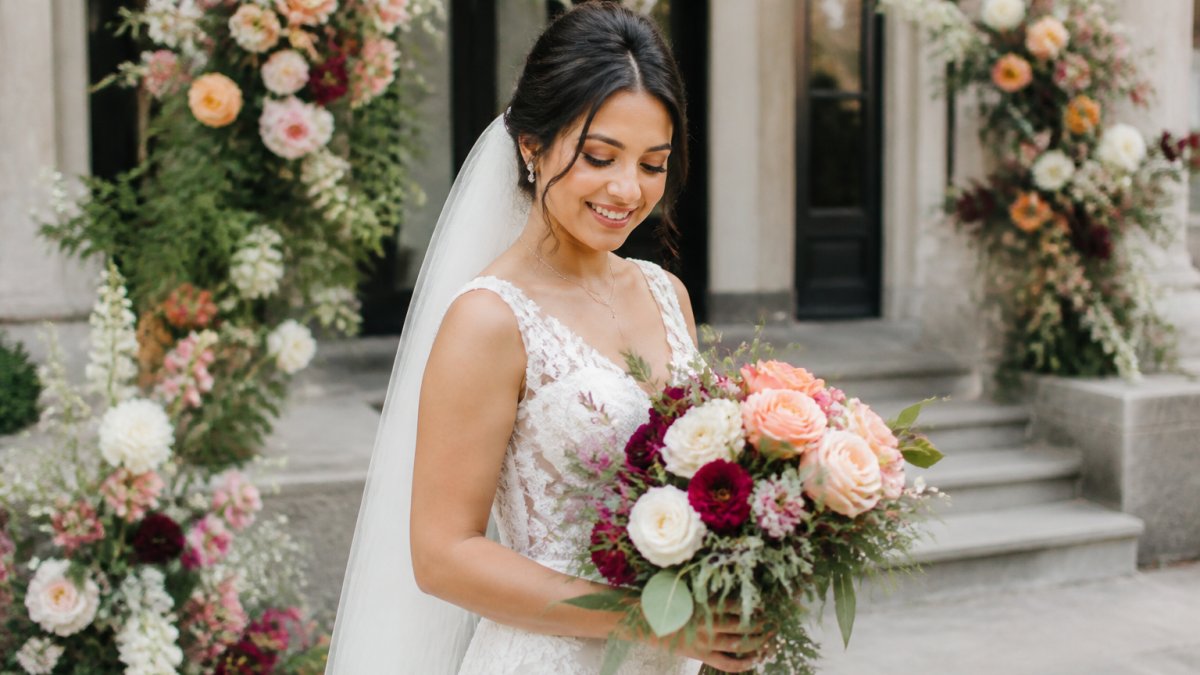
Same-day delivery is available for orders placed by 1 PM. They handle everything from bridal bouquets to ceremony installations and reception centerpieces, so one florist understands your complete vision.
Memory Lane & Creative Accent: Centerpiece Specialists
Memory Lane & Creative Accent focuses specifically on wedding centerpieces and table arrangements, excelling at cohesive designs that work across multiple tables while maintaining visual interest and variety.
Their strength: they understand how centerpieces function in the room, where height, density, and color balance matter differently than in a bridal bouquet.
This florist suits couples whose primary concern is reception aesthetics, especially those with specific themes or color schemes requiring custom solutions.
Best for: couples prioritizing reception centerpieces and wanting specialized expertise in table arrangements.
Blue Ivy Floral: Wedding and Event Arrangements
Blue Ivy Floral offers wedding and event flowers alongside everyday bouquets, handling full wedding orders including ceremony flowers, bridal party arrangements, and reception designs.
They’re a generalist florist who manages wedding work as part of a broader business rather than specializing exclusively in weddings.
This works well if you want a florist who can also handle corporate events or other occasions throughout the year.
Best for: couples who want a versatile florist and may need flowers for other events throughout the year.
The best florist for your wedding isn’t always the largest or most expensive. It’s the one who listens to your vision, communicates clearly about what’s possible within your budget, and has proven experience with arrangements similar to what you want.
Wedding Florist Consultation Checklist: What to Prepare
Prepare these details before your first consultation; florists give better recommendations when you’ve thought through your priorities.
Visual Reference Materials
Gather 5-10 photos of wedding flowers you love, including bridal bouquets, centerpieces, and ceremony arrangements. Images communicate your aesthetic instantly, far better than describing “romantic” or “modern.”
Wedding Details
Write down your wedding date, venue name, ceremony time, reception location, guest count, and bridal party size.
Color Palette
Decide on primary and accent colors, and bring fabric swatches from your dress, bridesmaids’ dresses, or décor to prevent color mismatches.
Seasonal Preferences
Note which flowers you love and want to avoid, and mention allergies or fragrance sensitivities early.
Venue Logistics
Ask your venue about setup access, timing restrictions, and delivery procedures. Bring this information to your consultation so the florist understands any constraints.
| Preparation Item | Why It Matters | Timeline |
|---|---|---|
| Visual references (5-10 photos) | Communicates your aesthetic instantly | Gather before consultation |
| Wedding date and venue details | Florist assesses seasonal availability and logistics | Confirm before first meeting |
| Color palette and swatches | Prevents color mismatches with dress and décor | Decide before consultation |
| Seasonal flower preferences | Guides recommendations and availability planning | Note before consultation |
| Budget range and allocation | Florist tailors proposals to your spending | Calculate before consultation |
| Venue setup and timing details | Florist understands delivery and installation constraints | Collect from venue before consultation |
Questions to Ask a Wedding Florist Before Booking
These questions separate florists who think strategically from those who simply fill orders.
“What happens if a specific flower isn’t available closer to my wedding date?” This reveals whether they plan proactively or scramble last-minute.
“What’s your backup plan if flowers are damaged during delivery?” Professional florists have contingency plans and replacement protocols.
“Can you accommodate my venue’s setup timeline and any access restrictions?” Some venues have strict delivery windows or limited access.
On Costs and Contracts
“What’s your deposit and payment schedule?” Understand financial terms upfront to avoid surprises.
“Are there any additional fees, rush fees, delivery charges, setup fees, or minimums?” A transparent florist lists everything clearly.
“What’s your cancellation or modification policy?
Wedding Flower Budget and Quote: Understanding Costs
Wedding flower costs vary widely based on complexity, quantity, and seasonal availability.
What Affects Pricing
Seasonal availability is the largest factor. Flowers in season cost less and look fresher.
Arrangement complexity matters.
Quantity directly impacts cost. The more bridesmaids, the more bouquets. The larger your guest count, the more centerpieces needed.
Delivery and setup location affects the total. Same-day delivery and on-site installation add labor costs.
Getting Accurate Quotes
Ask florists to itemize their proposal so you see exactly what you’re paying for.
Request proposals from multiple florists.
Avoid florists who won’t provide detailed written quotes. Vague pricing or verbal estimates create confusion and lead to disputes. A professional florist puts everything in writing so both parties understand exactly what’s included.
Budget Allocation Strategy
Adjust this allocation based on your priorities. If reception photos matter most, allocate more to centerpieces.
Seasonal Wedding Flowers in Ontario: Availability and Design
Ontario’s climate creates distinct seasonal flower availability.
Spring (April-May)
Spring flowers include tulips, ranunculus, hyacinths, daffodils, and early garden roses. These flowers are abundant, affordable, and symbolize renewal, ideal for spring weddings.
Summer (June-August)
Summer offers the widest flower variety. Peonies, roses, hydrangeas, delphiniums, zinnias, dahlias, and sunflowers are all available and affordable.
Fall (September-October)
Fall flowers include dahlias, chrysanthemums, celosia, hypericum berries, and deep-toned roses. Autumn palettes shift toward burgundy, orange, gold, and deep purple.
Winter (November-March)
Winter offers amaryllis, carnations, hypericum berries, and imported flowers like orchids and proteas. Availability narrows and costs rise.
Seasonal Planning with Your Florist
Discuss seasonal availability early.
Ask your florist about locally sourced options. Ontario has flower farms that grow seasonal varieties.
Evaluating Portfolios and Customer Reviews
A florist’s portfolio and customer feedback reveal their actual capability, not just their marketing.
Portfolio Analysis
Look for consistency in quality across multiple arrangements.
Pay attention to details: Are stems cut cleanly? Do arrangements have proper density and balance? Do colors complement each other or clash?
Look specifically for weddings similar to yours.
Ask whether portfolio photos are recent. Florist skills evolve; old photos may not represent current work.
Customer Reviews
Read reviews on Google, wedding planning sites, and social media. Look for patterns, not individual complaints.
Pay attention to specific feedback. Reviews that mention “exactly what I wanted” or “communicated clearly” or “handled a last-minute change beautifully” indicate reliability.
Contact references directly if the florist offers them.
Delivery, Setup, and Venue Logistics
Logistics determine whether your flowers arrive fresh, on time, and installed correctly.
Confirm Delivery Details
Verify the delivery date and time window with your florist.
Ask whether the florist delivers to your venue or whether you arrange pickup.
Discuss backup plans. What happens if flowers are damaged in transit? Does the florist have replacements available?
Setup and Installation
Clarify whether setup is included in your quote or costs extra.
If the florist handles setup, discuss timing.
Venue-Specific Considerations
Different venues have different requirements. Outdoor venues may need weather contingencies; indoor venues may have electrical access for coolers or lighting.
Ask your venue about these constraints before your florist consultation. Bring this information to your florist so they can plan accordingly.
Provide your florist with your venue coordinator’s contact information. Direct communication between florist and venue coordinator prevents miscommunication and ensures smooth execution on your wedding day.
Choosing the right wedding florist in Brampton in Ontario requires preparation, clear communication, and evaluation based on criteria that matter to your specific wedding. Brampton Florist offers same-day delivery capability and full-service expertise that allows couples to bring their floral vision to life without stress. Start your planning by consulting with a local professional who understands seasonal availability, venue logistics, and budget optimization.
Frequently Asked Questions
How far in advance should you book a wedding florist?
Most wedding florists recommend booking 3-6 months ahead, especially if your wedding falls during peak season (spring and summer). For off-season weddings, 4-8 weeks may be sufficient. Early booking ensures your florist has availability, allows time for multiple consultations, and gives you flexibility to adjust designs. If you’re planning a wedding with custom floral installations or multiple ceremony and reception arrangements, booking earlier is wise. Contact your chosen florist to confirm their specific booking timeline and any deposits required.
What should a wedding flower quote include?
A complete wedding flower quote should list all arrangements separately: bridal bouquet, bridesmaid bouquets, boutonnieres, corsages, ceremony flowers, centerpieces, and any installations. It should specify flower varieties, quantities, colors, and delivery and setup fees. The quote must clarify what’s included (labor, vases, stands) and what costs extra (rush fees, venue access, breakdown). Ask whether the price covers a consultation, design revisions, and how far in advance the florist needs final headcount confirmation. Request the quote in writing to avoid misunderstandings about scope and cost.
Can wedding flowers be chosen based on what is in season?
Yes, and seasonal flowers often cost less and look fresher. Spring brings tulips, peonies, and cherry blossoms; summer offers roses, dahlias, and hydrangeas; fall features sunflowers, chrysanthemums, and berries; winter includes amaryllis, poinsettias, and evergreens. Seasonal flowers are locally sourced more easily, reducing costs and environmental impact. However, if your wedding date doesn’t align with your preferred flowers, florists can source them year-round at a premium. Discuss seasonal options with your florist during consultation to balance style preferences with budget and availability.
What should you confirm about delivery and setup?
Confirm the exact delivery date, time window, and location (venue address). Ask whether the florist charges for setup and how long they’ll stay to arrange flowers on-site. Verify they have access to your venue (some require early arrival or have restricted entry times). Discuss water sources, electrical outlets, and space for floral work. Ask about weather contingencies if your wedding is outdoors. Clarify whether they’ll disassemble and remove arrangements after the reception. Get all delivery and setup details in writing, including contact information for the day-of florist in case of issues.
How do I know if a wedding florist is reliable before booking?
Review their portfolio on their website and social media to assess design quality and consistency. Read customer reviews on Google, Facebook, and local business directories, looking for comments about reliability, communication, and whether arrangements matched photos. Ask for references from recent wedding clients and contact them directly. Check how responsive the florist is to emails and calls during your initial inquiry. Verify they’re established locally (look for business registration and longevity). A family-owned florist with years in the community and transparent communication is typically a reliable choice. Meet in person if possible to gauge professionalism and fit.


