


Last Updated: October 27, 2026
Quick Summary
A freshness guarantee is a florist’s promise that flowers will arrive in good condition within a set window after delivery. Its value depends on the terms, so check what is covered, the claim deadline, required evidence, and the remedy before you pay.
- Check the claim window, which is often 24 to 48 hours after delivery.
- Save photos of the whole arrangement and any damaged stems as evidence.
- Confirm whether the guarantee covers shipped orders as well as local delivery.
- Ask whether substituted blooms are covered the same way as the original order.
- Note the florist’s claim contact method and response time before ordering.
Table of Contents
- What a Freshness Guarantee Actually Covers
- How to Verify a Freshness Guarantee Before You Order
- Benefits of Ordering From Local Florists for Freshness
- Freshness Across Delivery Methods and Seasons
- How to Care for Fresh Cut Flowers After Delivery
- How Long Delivered Flowers Should Last
- What to Do If Your Delivery Arrives Wilted
- Frequently Asked Questions
What a Freshness Guarantee Actually Covers
A freshness guarantee is a promise from a florist that the flowers you receive will arrive in good condition, usually within a set window after delivery. The details of a guarantee can affect what it covers. Read them before you pay.
At Brampton Florist, we believe a guarantee only helps if you know exactly what it covers. The terms usually spell out the timeframe, the condition that qualifies, and what you need to do if something goes wrong. Many shoppers skip this step and find out too late that a claim is harder to make than they expected.
What Counts as Fresh When Flowers Are Cut
“Fresh” is not a fixed standard. A bloom that is freshly cut may still show signs of stress, such as drooping stems, bruised petals, or early browning on the edges. Many florists define fresh as flowers that are hydrated, firm, and free of visible damage at the time of delivery.
Seasonality matters here too. Some blooms, like roses and tulips, ship well in most months, while others are more delicate and vary with the season. A guarantee that does not mention seasonal stock may leave you with less certainty than you expect.
Common Exclusions to Read For
When reviewing a freshness guarantee, watch for possible exceptions:
- Delivery delays caused by weather, carrier issues, or missed deliveries
- Damage after delivery, such as leaving flowers in a hot car or direct sunlight
- Substitutions, where the florist swaps a flower for a similar one
- Time limits for filing a claim, often 24 to 48 hours after arrival
If these exclusions are not listed clearly, ask the florist before you order.
How to Verify a Freshness Guarantee Before You Order
If a florist offers a freshness guarantee, read its terms before you order.
Step 1: Find the Written Terms
If the florist provides written guarantee terms, read them before ordering.
If the terms are buried in a general “Terms of Service” page, search the page for words like fresh, replace, refund, and claim. If none appear, ask the florist directly before ordering.
Step 2: Check the Four Core Terms
When reviewing a guarantee, consider these questions. If an answer is missing, ask before you pay.
- What is covered? Does the guarantee cover the whole arrangement or only certain flowers? Does it cover condition at delivery, or expected vase life after delivery?
- How long do you have to claim? Most policies set a window, often 24 to 48 hours after delivery. Some extend to 3 days for certain blooms. Note the exact deadline.
- What evidence is required? Many florists ask for photos of the whole arrangement and any damaged stems, plus the order number and delivery date. Ask whether photos must be taken before or after trimming stems.
- What is the remedy? Replacement, refund, or store credit are the common options. Ask which one applies and whether delivery fees are included.
Step 3: Read the Exclusions Carefully
Check the terms for any exclusions, such as:
- Delivery delays caused by weather, carrier issues, or a missed recipient
- Damage after delivery, such as leaving flowers in a hot car or direct sun
- Substitutions, where the florist swaps a bloom for a similar one
- Improper care, such as failing to recut stems or change water
- Claim deadlines that pass before the customer reports the problem
If an exclusion is unclear, ask the florist to explain it.
Step 4: Confirm Contact Details and Response Times
A guarantee is only as good as the channel for using it. Before ordering, confirm:
- The email address or phone number for claims
- Whether claims are accepted on weekends and holidays
- The expected response time (same day, next business day, or longer)
- Whether the florist requires the original order number or receipt
Save a screenshot of the guarantee page and your order confirmation. If the terms change after you order, you have a record of what applied at the time of purchase.
Step 5: Test the Florist Before You Commit
If you have questions about a florist’s guarantee, ask before ordering.
For a side-by-side look at how local shops and large order networks handle these terms, see Local Florist vs Wire Services: Flower Ordering Guide.
Before you order, check these four core terms in any freshness guarantee.
| Term | What to confirm | Typical example |
|---|---|---|
| Coverage | Whole arrangement or certain flowers | Condition at delivery |
| Claim window | Deadline to report a problem | 24 to 48 hours after delivery |
| Evidence | What proof you must submit | Photos of arrangement and damaged stems |
| Remedy | What you receive if approved | Replacement, refund, or store credit |
Benefits of Ordering From Local Florists for Freshness
Local florists often have shorter supply chains than large online order networks. Many local shops source from regional growers or wholesale markets and arrange flowers close to the delivery date. That shorter path can mean flowers spend less time in transit before they reach your recipient.
For more on delivery routing, see Local Florist vs Wire Services: Flower Ordering Guide.
Ordering locally also gives you a direct person to speak with. You can ask about freshness, substitutions, and timing before you pay, and you can call if something goes wrong on arrival.
Freshness Across Delivery Methods and Seasons
Freshness depends on more than the guarantee. The delivery method, packaging, time in transit, and time of year all affect how flowers arrive. Understanding these differences helps you choose the right option and set realistic expectations.
Local Florist Delivery
A local florist typically arranges flowers close to the delivery date and delivers them in a shop van or by a local courier. Time in transit is usually short, often under an hour within the delivery area. Flowers are often conditioned in water before delivery and may arrive in a vase or wrapped with a water source.
Third-Party Courier Delivery
Delivery arrangements vary. Ask the florist how delivery is handled.
Shipped Arrangements
Flowers shipped by mail or parcel carrier spend the longest time in transit, often one to three days. They are usually packed dry, with stems wrapped in a moisture source, and may arrive in bud form to extend vase life. Shipped flowers can arrive fresh, but the risk of stress is higher, and the guarantee terms often differ from local delivery.
If a guarantee covers local delivery but not shipped orders, confirm which method applies to your order before you pay. The remedy may change with the delivery method.
How Packaging Affects Freshness
Packaging protects flowers from heat, cold, and physical damage. Common methods include:
- Water sources: floral foam, water tubes, or a sealed water pack
- Insulation: paper or foam wrap to buffer temperature changes
- Venting: holes that let ethylene gas escape
- Bud form shipping: flowers arrive partially closed to open after delivery
Ask the florist how the arrangement is packed, especially in hot or cold months.
Seasonality and Substitutions
Seasonal supply changes what is available and how fresh it is likely to be. In peak seasons, florists may have more stock to choose from, but demand can also stretch delivery windows. In slower months, some flowers may have been held longer before sale.
When a specific bloom is out of season, florists often substitute a similar flower. Substitutions can affect both appearance and vase life. Ask whether the florist will contact you before substituting, and whether the guarantee covers substituted blooms the same way as the original order.
If you are planning around a deadline, ask the florist about delivery timing. For nearby recipients, local flower delivery pricing can help you compare options before you choose a delivery method.
How to Care for Fresh Cut Flowers After Delivery
Good care after delivery can extend the life of your arrangement. Start by unwrapping the bouquet and checking for damage. Trim the stems at a slight angle with clean scissors, then place them in a clean vase filled with lukewarm water.
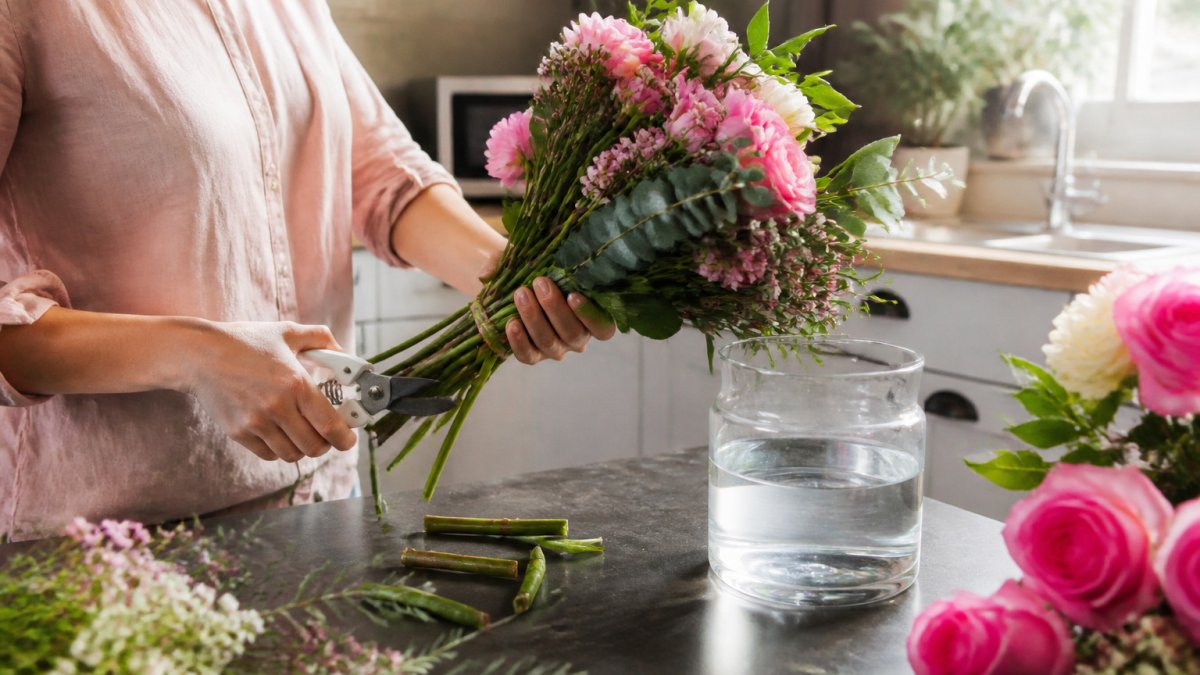
Replace the water every two days and remove any leaves that sit below the waterline. Keep the arrangement away from direct sunlight, heating vents, and ripening fruit, since ethylene gas can shorten vase life.
Many recipients find that a small amount of flower food helps. Most florists include a packet with the order, so use it as directed.
How Long Delivered Flowers Should Last
Vase life varies by flower type and care. Roses and carnations often last one to two weeks with good care, while lilies and tulips may last less time once they open. Some seasonal blooms are more fragile and may only last a few days.
A common mistake is expecting every bloom to last the same length of time. A mixed arrangement may show wilting in some flowers before others, so focus on the overall condition rather than a single stem.
If the arrangement looks healthy a few days after delivery, it is performing as expected. If flowers start to fade within the first day or two, check the water, the room temperature, and the delivery condition before filing a claim.
What to Do If Your Delivery Arrives Wilted
Take photos as soon as you open the box. Capture the whole arrangement and any damaged stems, and note the time of arrival. Most freshness claims need this evidence.
Next, contact the florist using the method listed in the guarantee. Share the order number, the photos, and a short description of the problem. Be specific about what you see, such as drooping stems or brown edges.
Ask what remedy the florist offers. A replacement is common for fresh issues, but some shops offer a refund or credit. Knowing the options upfront makes the process faster.
Frequently Asked Questions
What does a freshness guarantee actually cover for flower deliveries?
If a florist offers a freshness guarantee, read its terms before ordering to understand what it covers and how to raise a concern.
How can I tell if an online florist provides high-quality, fresh stems?
When choosing a florist, ask about the flowers, delivery timing, and any applicable terms. Pricing depends on the order and delivery; check the florist’s website for current prices or request a quote.
What should I do if my flower delivery arrives wilted?
If you have a concern about your order, contact the florist to ask how to proceed.
Do local florists offer better freshness guarantees than national chains?
Guarantee terms vary, so read the written policy and ask the florist how it applies to your order.
Brampton Florist is a family-owned shop that hand-designs fresh arrangements and offers same-day delivery when you order by 1 PM. Order online or call now to order flowers for your next occasion, and our team can walk you through the freshness terms before you buy.


